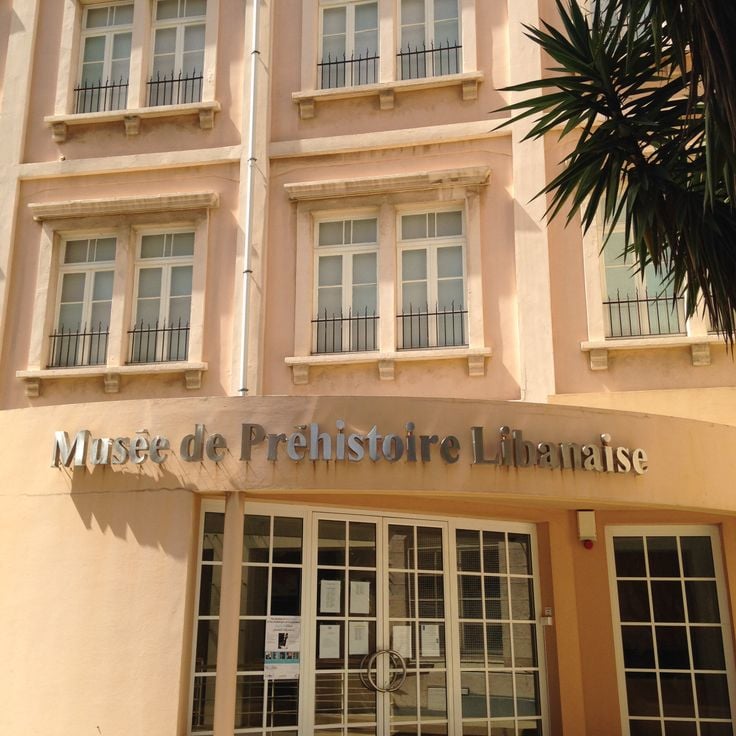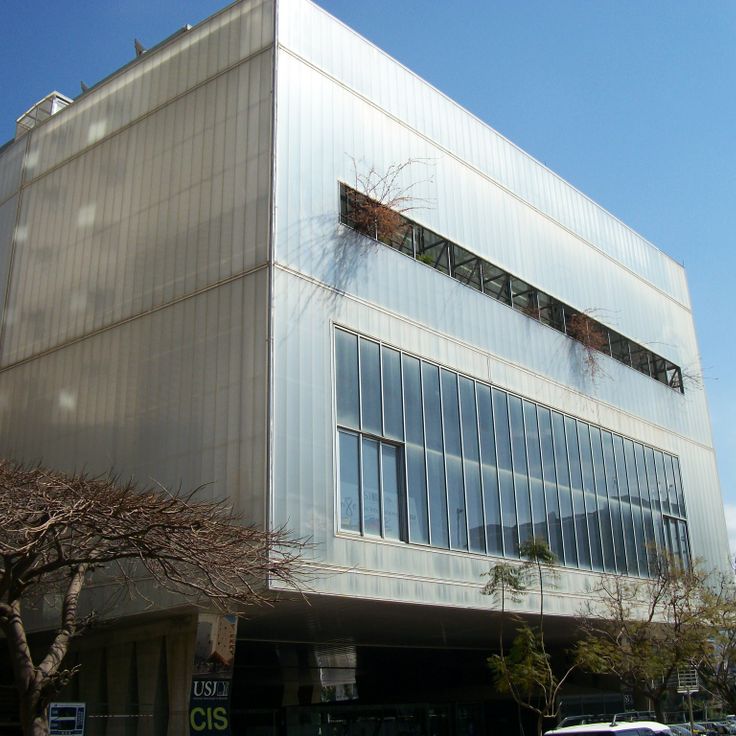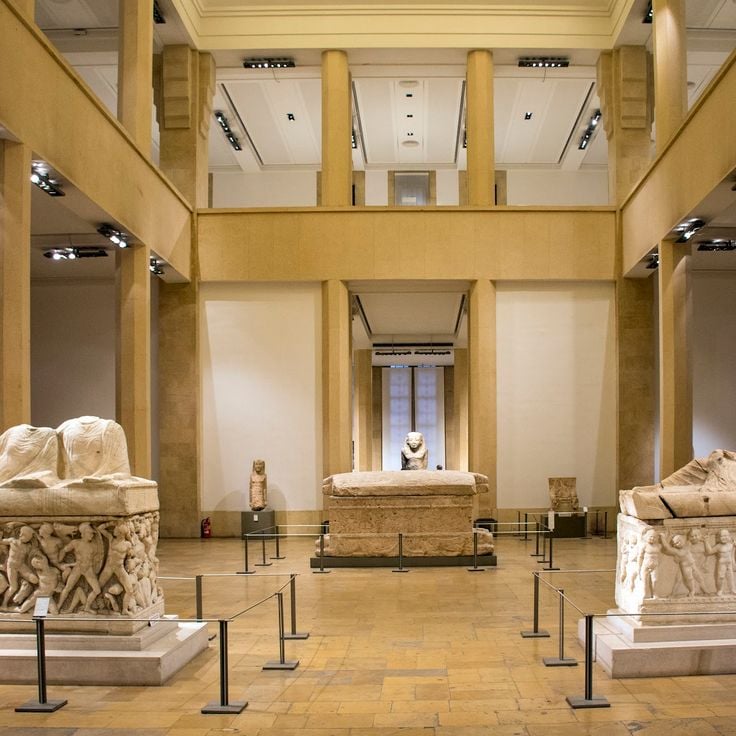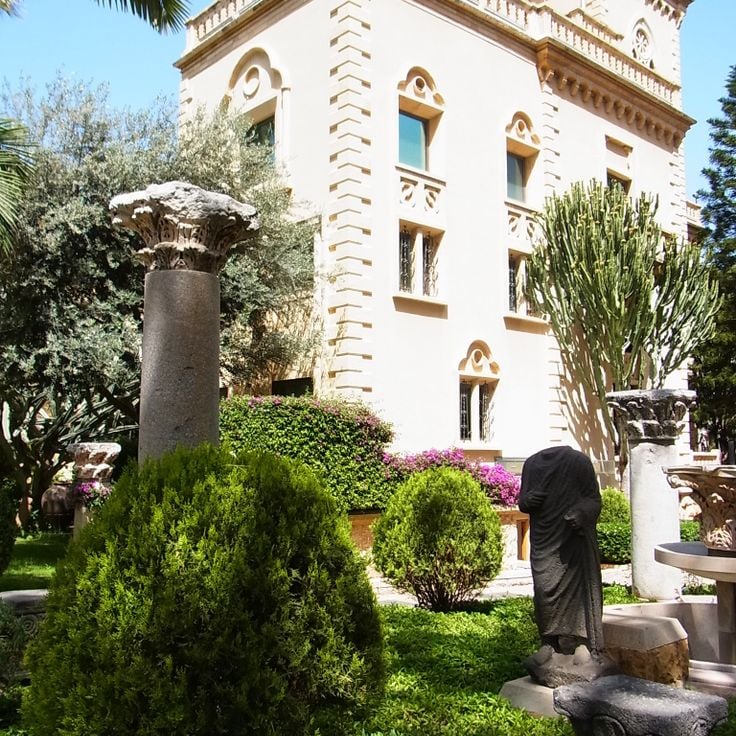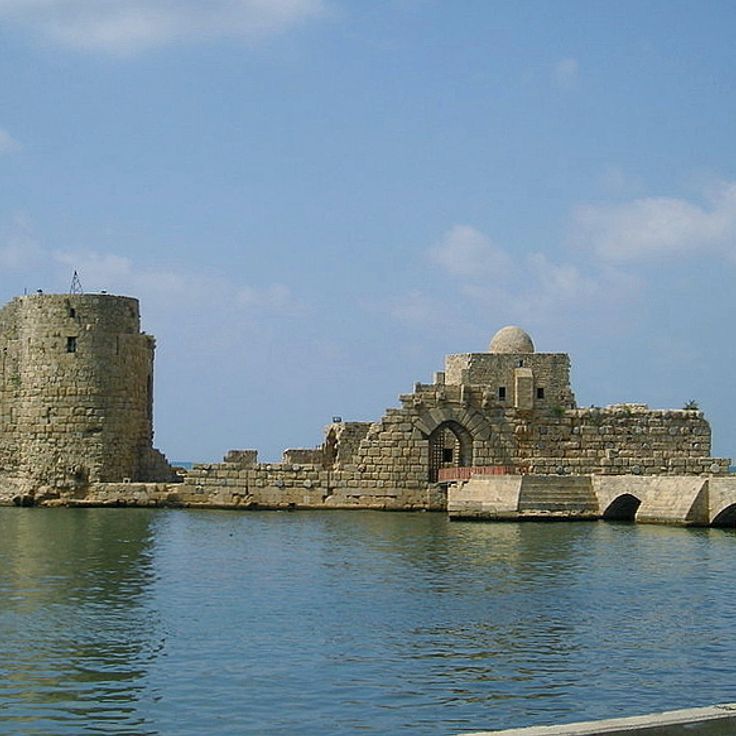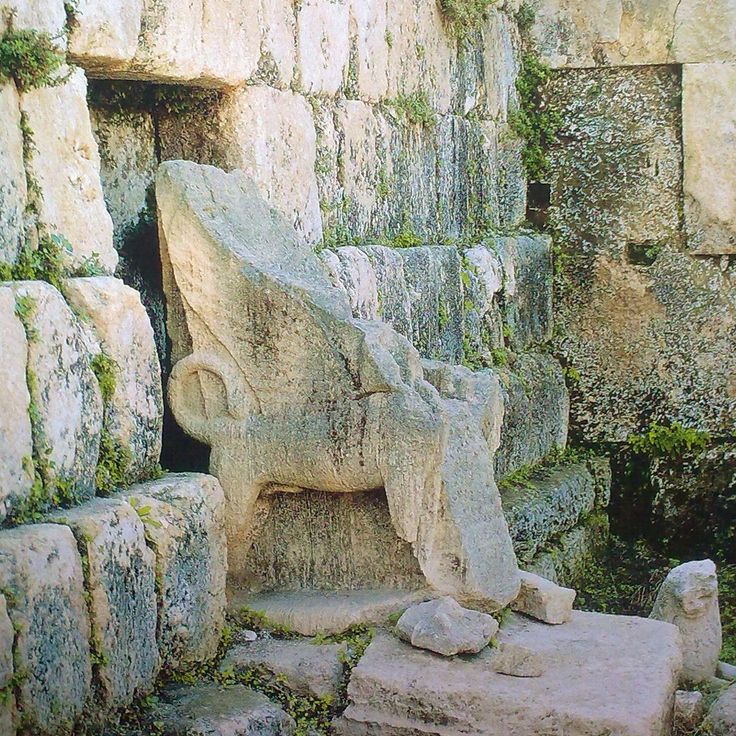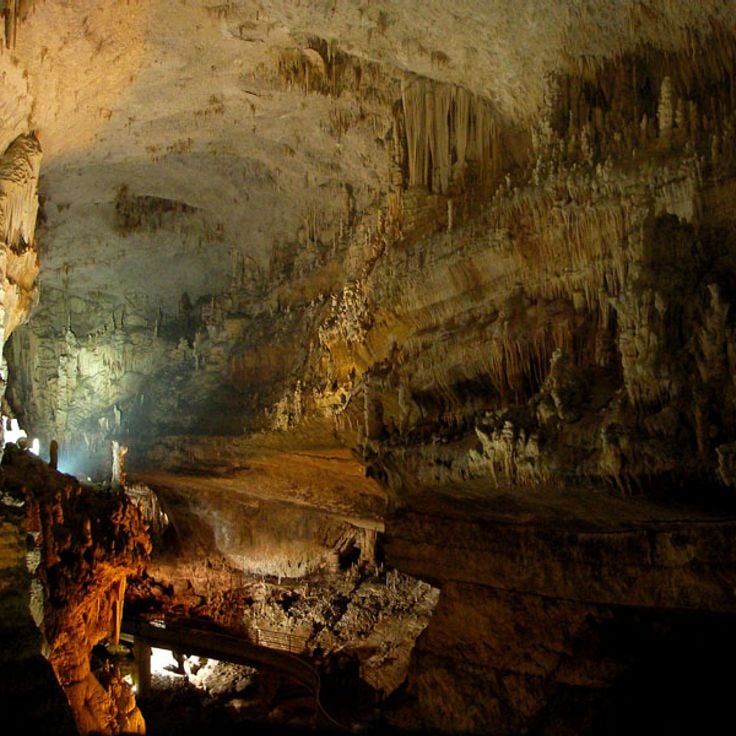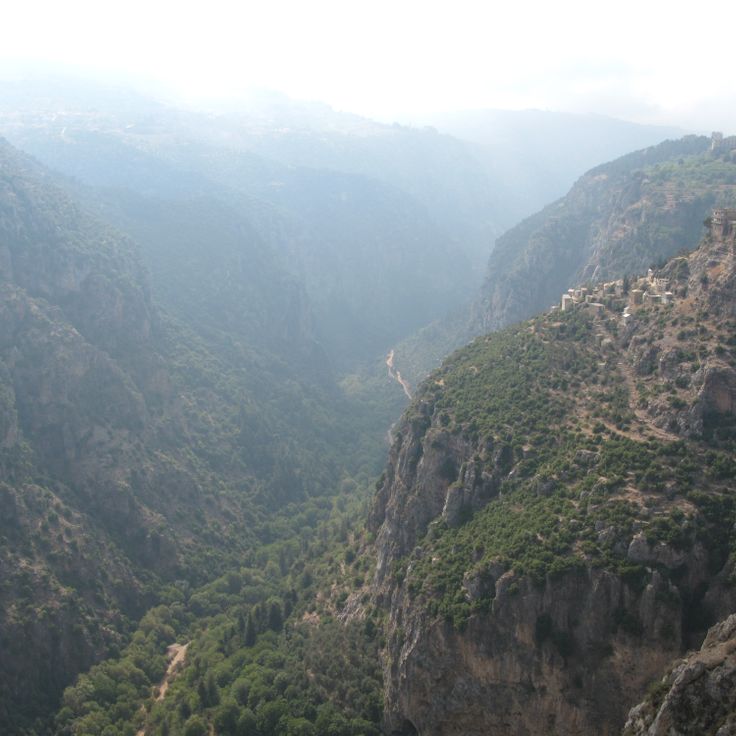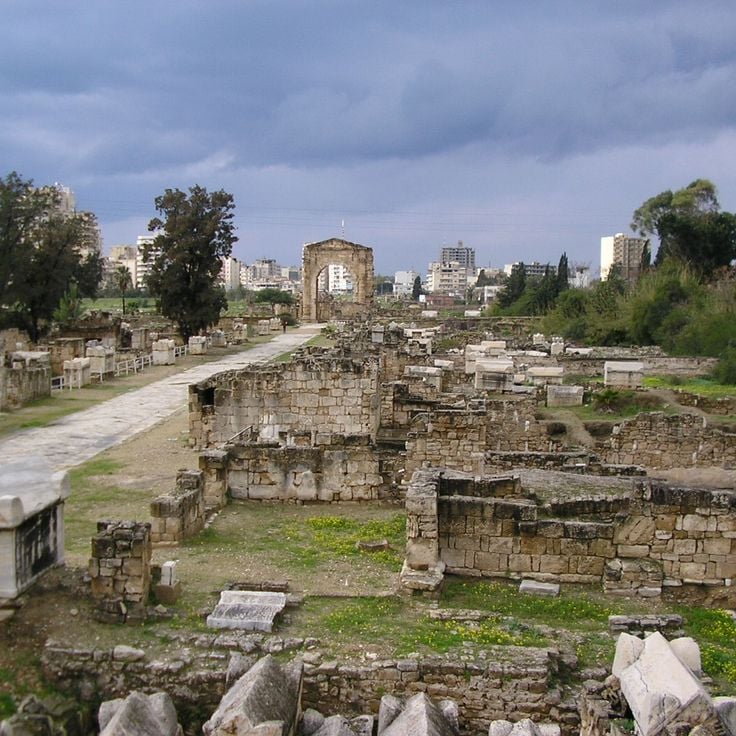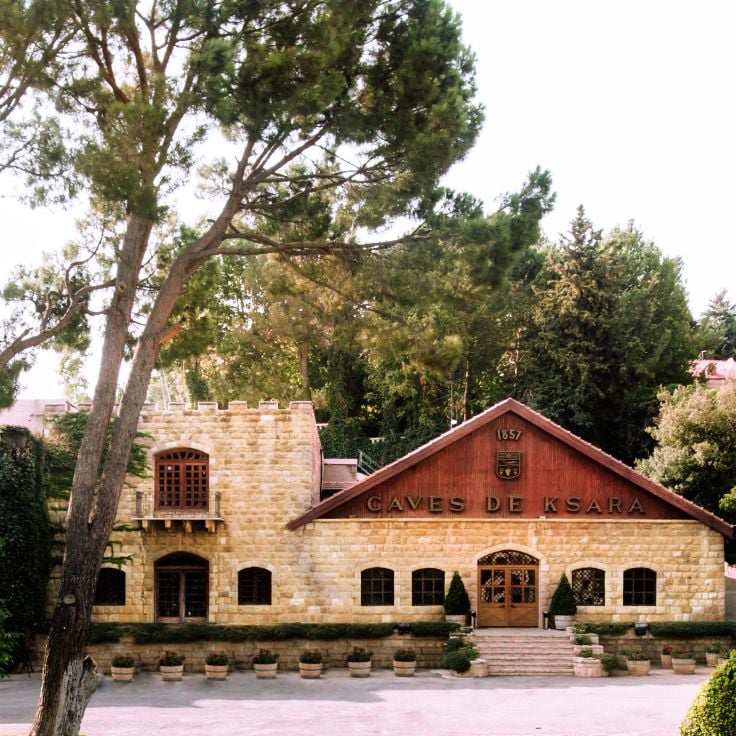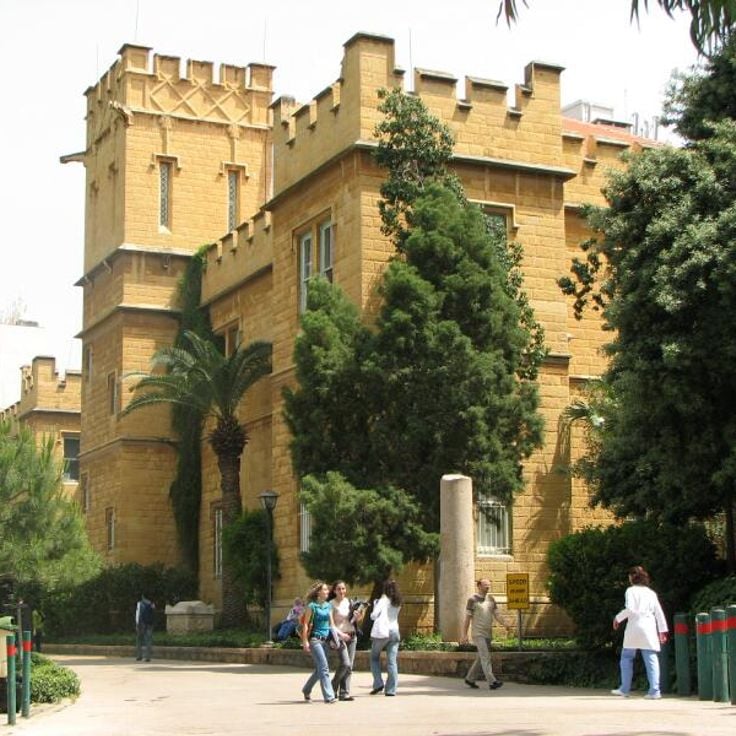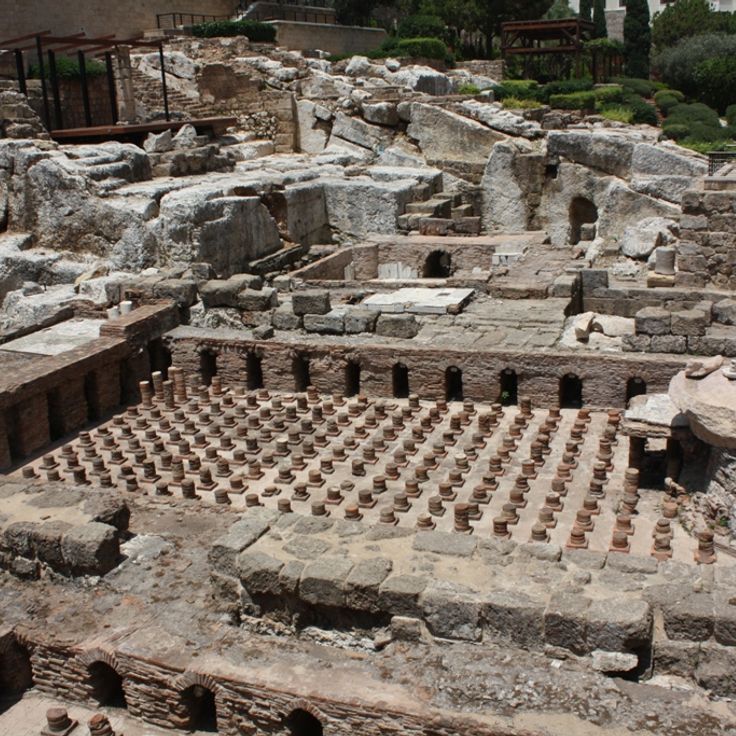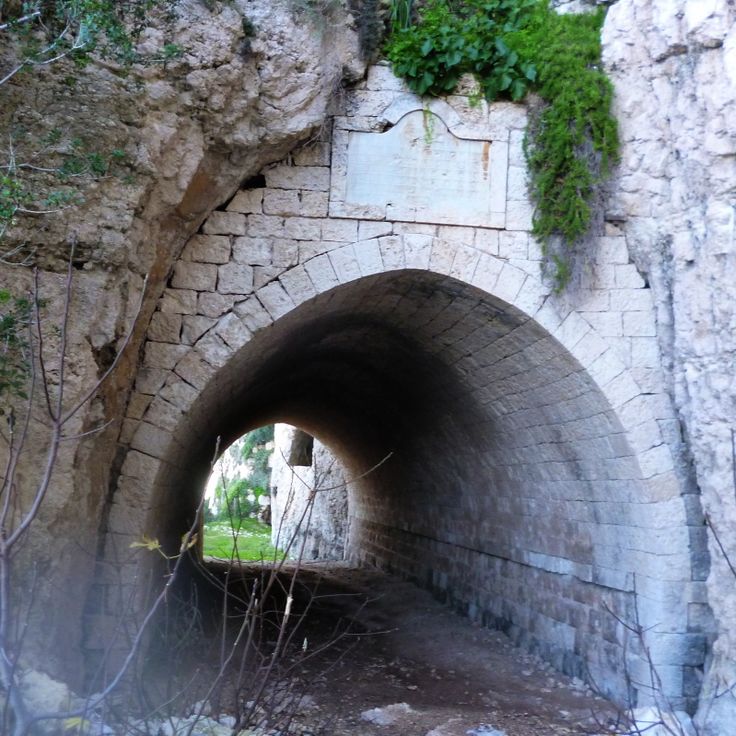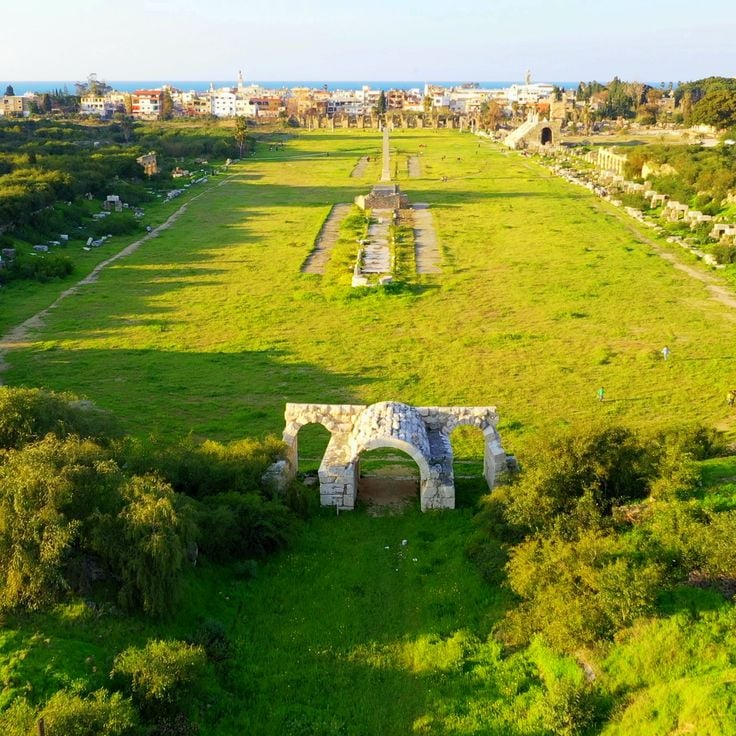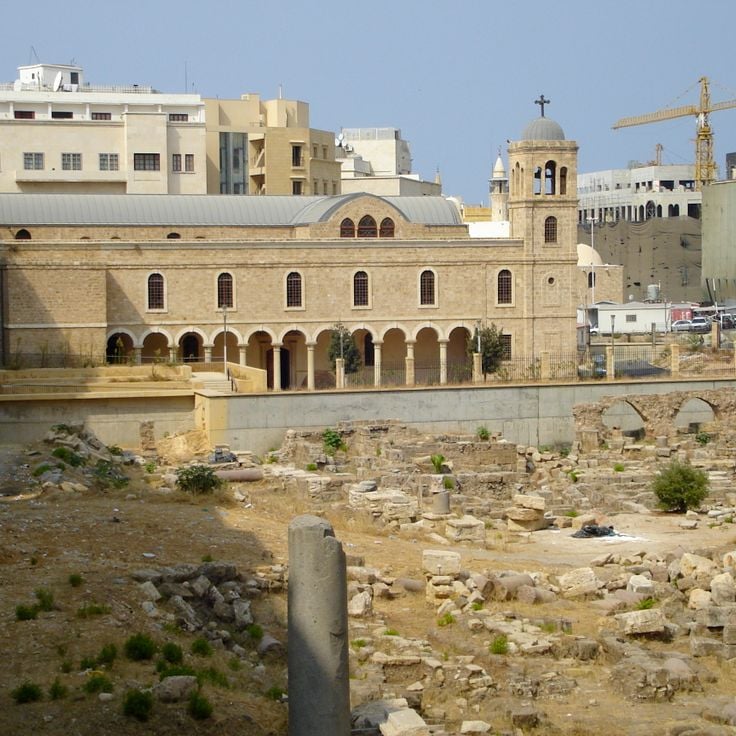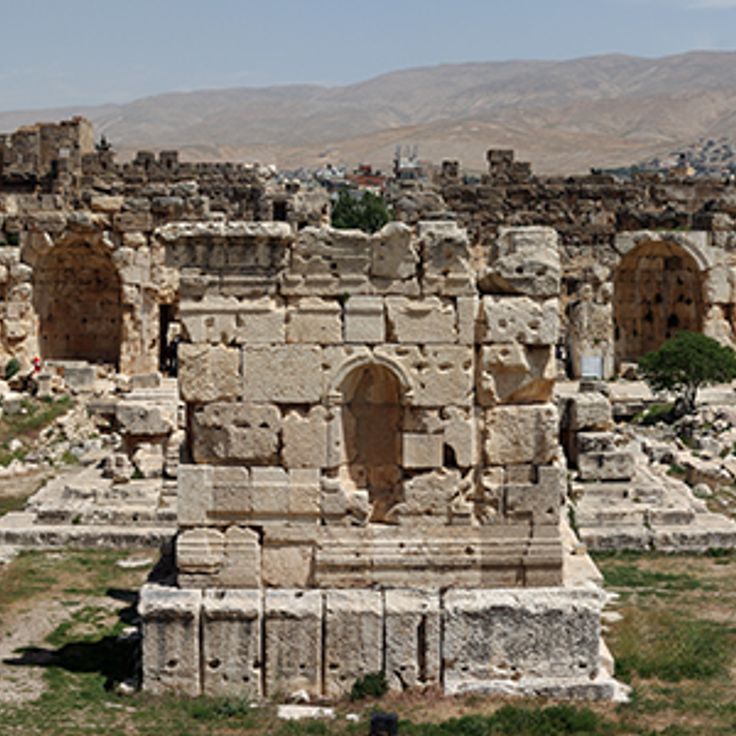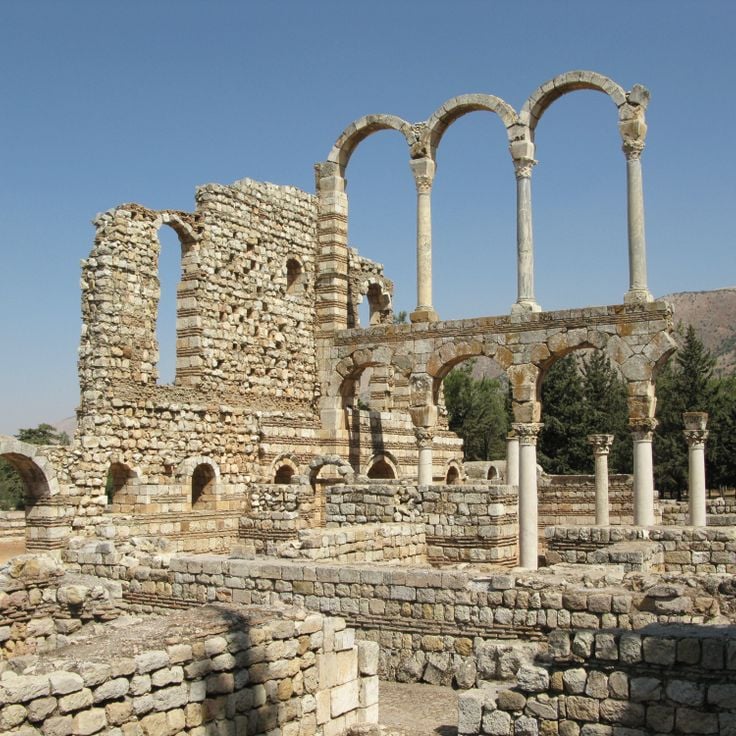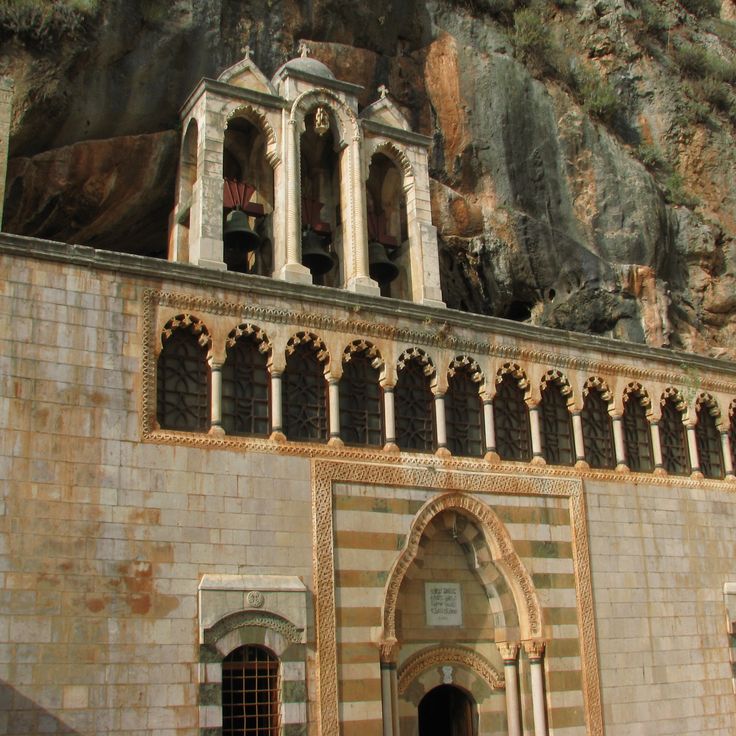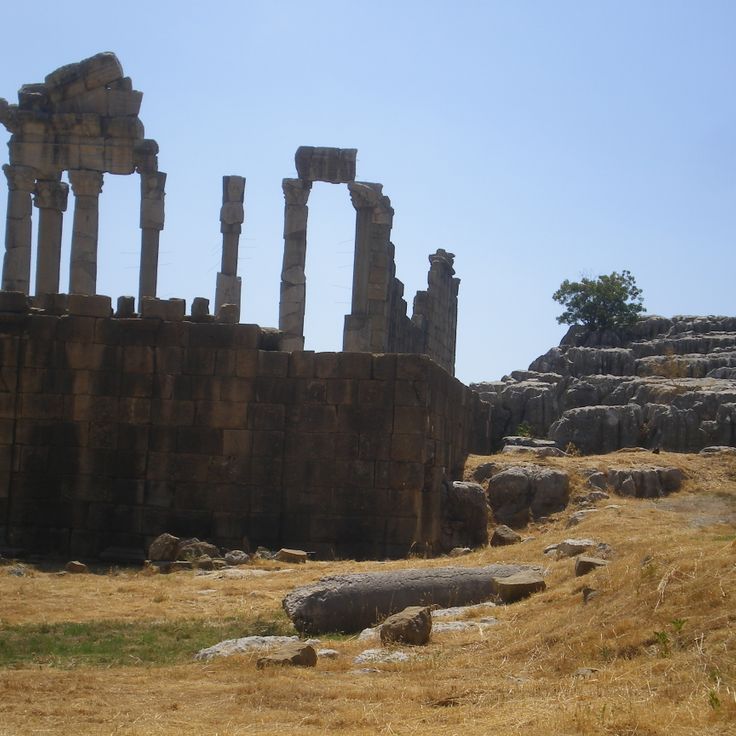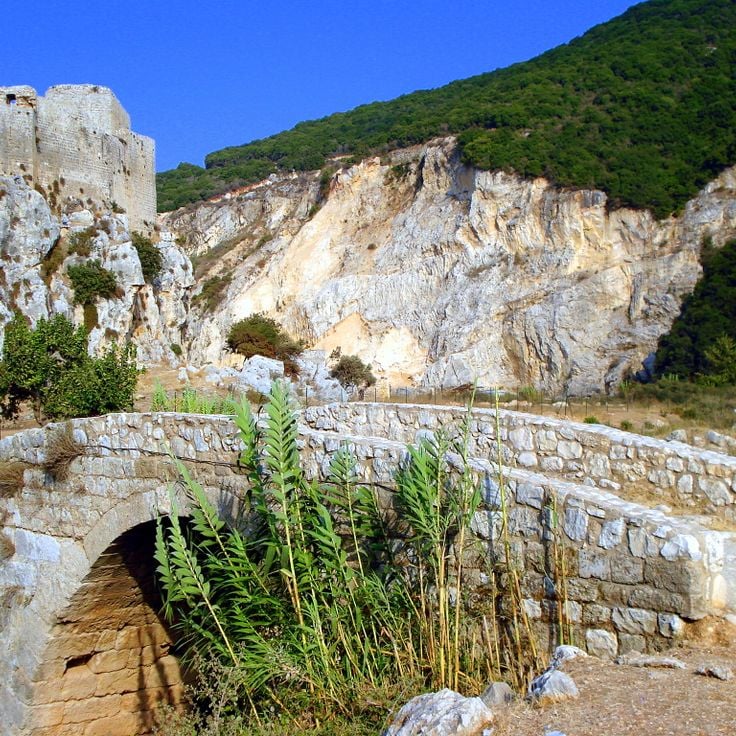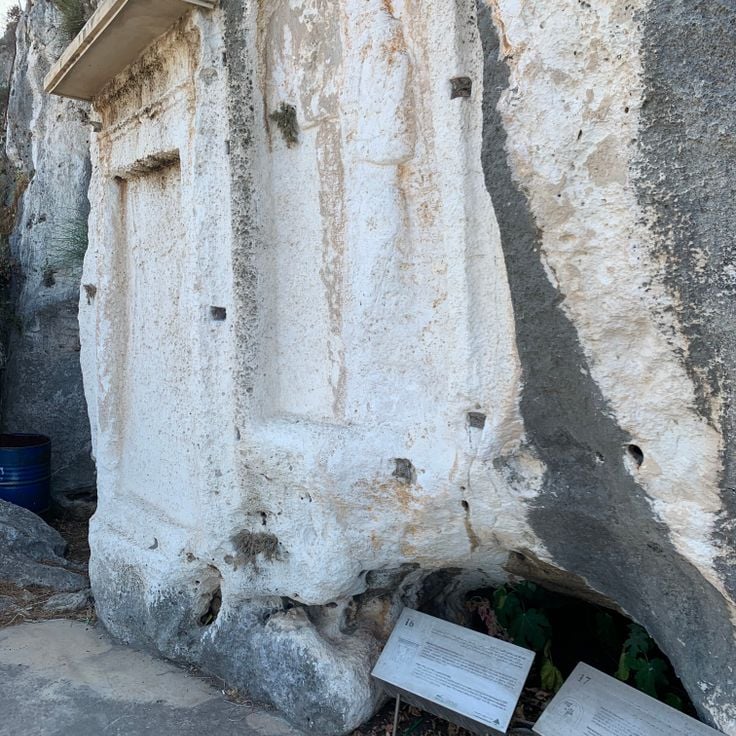
Lebanon preserves thousands of years of human settlement through archaeological sites and museum collections spread across the country. Phoenician ruins are adjacent to Roman monuments, while medieval fortresses mark periods of the Crusades and Ottoman rule. In Beirut, the National Museum houses artifacts covering all the country's historical eras, and the Mim Mineral Museum displays over 2,000 specimens from around the world. Along the coast, Sidon features a 13th-century maritime fortress and the Echmoun temple, a Phoenician complex built in the 7th century BCE. Collections extend well beyond classical archaeology. The Saint-Joseph University Prehistory Museum documents prehistoric occupation in Lebanon, while the Byblos Fossil Museum showcases more than 200 petrified specimens illustrating regional geological history. These institutions provide a thorough overview of the human and natural evolution of this Mediterranean area, from early settlements to Ottoman and modern periods.